

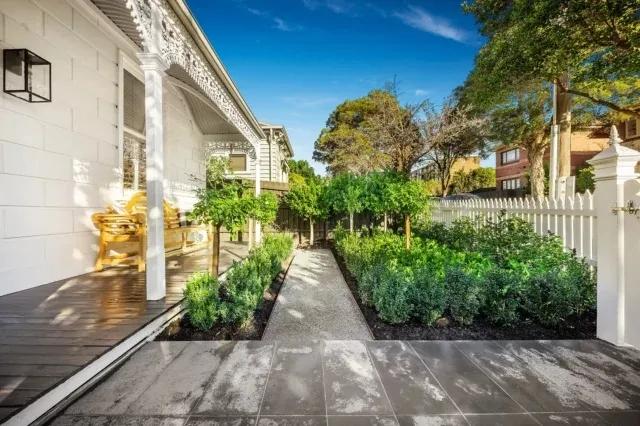
landscape architect
Outdoor spaces have become increasingly important in modern homes and commercial properties. Whether it's a backyard, garden, courtyard, public park, or business landscape, people want outdoor areas that are not only visually appealing but also practical and easy to use. A beautiful landscape is valuable, but if it does not support the daily needs of its users, it may fail to deliver its full potential. This is where a landscape architect plays a crucial role.
Landscape architects specialize in designing outdoor environments that balance aesthetics, functionality, sustainability, and long-term performance. By carefully assessing a site's characteristics and understanding the needs of property owners, they create spaces that enhance everyday living and maximize usability. Their expertise can transform underutilized outdoor areas into functional, attractive environments that add significant value to a property.
Understanding How the Space Will Be Used
One of the key ways a landscape architect improves outdoor functionality is by understanding how people intend to use the space. Every property has unique requirements, and a one-size-fits-all approach rarely produces the best results.
A landscape architect begins by evaluating the client's goals, lifestyle, and preferences. For example, a family may need a safe play area for children, an outdoor dining space, and room for gardening. A commercial property may require accessible pathways, gathering areas, and attractive landscaping that enhances customer experience.
By identifying these needs early in the design process, landscape architects create layouts that support multiple activities while ensuring the space remains organized and efficient.
Creating Functional Zones
A well-designed landscape often includes distinct zones that serve different purposes. Without proper planning, outdoor spaces can feel cluttered, disorganized, or difficult to navigate.
Landscape architects strategically divide outdoor areas into functional sections such as:
Entertainment and dining spaces
Relaxation areas
Children's play zones
Garden beds and planting areas
Outdoor workspaces
Recreational spaces
This zoning approach helps property owners make the most of their available space while creating a seamless flow between different outdoor activities. Each area is designed to complement the others, resulting in a cohesive and highly functional landscape.
Improving Movement and Accessibility
Easy navigation is a critical aspect of outdoor functionality. Poorly planned pathways, uneven surfaces, and confusing layouts can make outdoor spaces inconvenient or unsafe.
Landscape architects carefully design circulation routes that allow people to move comfortably throughout the property. They determine the most efficient placement of walkways, stairs, patios, and access points to ensure smooth transitions between different areas.
Accessibility is also an important consideration. Professional landscape architects incorporate features that accommodate people of all ages and abilities. Wider pathways, non-slip surfaces, ramps, and strategically placed seating areas can significantly improve usability and inclusivity.
Enhancing Outdoor Living Spaces
Many homeowners now view their outdoor areas as extensions of their indoor living environments. As a result, outdoor functionality often revolves around creating spaces where people can relax, entertain guests, and spend quality time with family.
Landscape architects can design a variety of outdoor living features, including:
Patios and decks
Outdoor kitchens
Fire pits
Pergolas and shade structures
Seating areas
Swimming pool surrounds
By integrating these features into the overall landscape design, they create comfortable and practical spaces that can be enjoyed throughout the year. The result is an outdoor environment that enhances both lifestyle and property value.
Solving Drainage and Site Challenges
Many properties face environmental challenges that can negatively affect outdoor functionality. Poor drainage, erosion, uneven terrain, and water pooling can make certain areas difficult or impossible to use.
Landscape architects are trained to analyze site conditions and develop effective solutions. They understand grading, stormwater management, and soil conditions, allowing them to design landscapes that function properly even during adverse weather conditions.
Solutions may include:
Drainage systems
Retaining walls
Permeable paving
Rain gardens
Strategic planting designs
Addressing these issues early helps protect the property while ensuring outdoor areas remain safe, attractive, and functional year-round.
Increasing Comfort and Usability
A functional landscape should encourage people to spend time outdoors. Comfort plays a major role in achieving this goal.
Landscape architects carefully consider environmental factors such as sunlight, shade, wind exposure, and privacy. They use trees, shrubs, fencing, pergolas, and other design elements to create comfortable outdoor environments.
For example, strategically placed trees can provide natural shade during hot summer months, while hedges and screening plants can enhance privacy from neighboring properties. These thoughtful design choices make outdoor spaces more enjoyable and practical for everyday use.
Supporting Sustainable Design
Sustainability has become an essential part of modern landscape design. Landscape architects incorporate environmentally responsible practices that improve functionality while reducing maintenance and resource consumption.
These sustainable strategies may include:
Native and drought-tolerant plants
Efficient irrigation systems
Water-sensitive landscape design
Permeable surfaces
Reduced lawn areas
Habitat-friendly planting schemes
Sustainable landscapes often require less water, fewer chemical treatments, and lower maintenance costs while remaining highly functional and visually appealing.
Why Hire Professional Landscape Architects?
Hiring professional landscape architects is one of the most effective ways to improve outdoor functionality while ensuring a successful project outcome. Their combination of design expertise, technical knowledge, and practical problem-solving skills allows them to create outdoor spaces that work efficiently and look exceptional.
Professional landscape architects assess every aspect of a property, from site conditions and drainage requirements to user needs and future maintenance considerations. They develop tailored solutions that maximize space, improve usability, and create long-term value.
By working with experienced landscape architects, property owners can avoid costly design mistakes and achieve an outdoor environment that perfectly balances beauty, comfort, and functionality.
Conclusion
A landscape architect does far more than design attractive gardens. They create outdoor spaces that function effectively, support daily activities, and enhance the overall experience of a property. Through careful planning, strategic zoning, accessibility improvements, sustainable practices, and innovative design solutions, landscape architects help transform ordinary outdoor areas into highly functional and enjoyable environments.
Whether you are planning a residential garden renovation, a commercial landscape upgrade, or a large-scale outdoor development, investing in professional landscape architecture can significantly improve the usability, value, and long-term success of your outdoor space.