

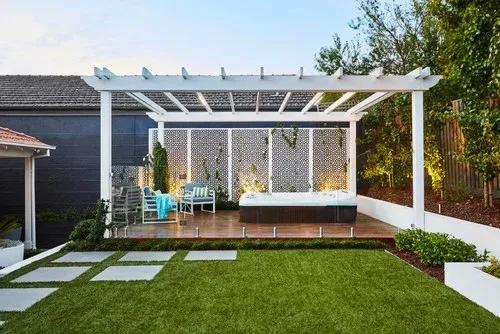
Soft Landscaping Melbourne
Soft landscaping is the living backbone of any outdoor space. While hard elements like pathways and walls provide structure, it’s the trees, shrubs, and ground covers that bring movement, texture, and seasonal interest. Choosing the right plants is essential not only for aesthetics, but also for long-term maintenance, sustainability, and harmony with the surrounding environment. Here’s a practical guide to making the right choices for a balanced and thriving landscape.
Start with Site Conditions
Before selecting any plants, evaluate the site carefully. Consider sunlight exposure, soil type, drainage, wind, and available space. A tree that thrives in full sun may struggle in shaded areas, while some shrubs prefer well-drained soil over clay-heavy ground. Matching plants to existing conditions reduces maintenance and increases their chances of long-term success.
Climate is equally important. Native or climate-adapted species tend to be more resilient, require less water, and resist local pests better than exotic varieties.
Choosing the Right Trees
Trees form the framework of soft landscaping. They provide shade, define spaces, and contribute vertical interest. When selecting trees, think beyond their current size and consider their mature height and canopy spread.
Large trees work best in open areas like parks or spacious gardens, offering shade and visual dominance.
Medium or small trees are ideal for residential landscapes, courtyards, and streetscapes.
Deciduous trees allow sunlight in winter and provide shade in summer, while
Evergreen trees offer year-round structure and privacy.
Also consider root systems, especially near buildings, pavements, or underground utilities.
Selecting Shrubs for Structure and Texture
Shrubs are incredibly versatile and help bridge the gap between trees and ground covers. They can be used for hedging, borders, screening, or as feature plants.
When choosing shrubs, think about:
Growth habit (compact, spreading, upright)
Flowering season and foliage color
Maintenance needs, such as pruning frequency
Evergreen shrubs provide consistent form throughout the year, while flowering shrubs add seasonal bursts of color and fragrance. Mixing different leaf textures and heights creates visual depth and interest.
Ground Covers for Function and Finish
Ground covers play a crucial role in completing a landscape. They help suppress weeds, reduce soil erosion, retain moisture, and visually unify planting areas.
Options range from low-growing grasses and creeping plants to flowering ground covers. Choose species that spread at a manageable rate and suit the light conditions of the site. In high-traffic areas, tougher ground covers or ornamental grasses perform better than delicate varieties.
Ground covers are especially effective on slopes, under trees where grass struggles, and in large planting beds where lawn maintenance would be impractical.
Balance Aesthetics with Maintenance
A successful soft landscape balances beauty with practicality. While lush, fast-growing plants may look appealing initially, they can become high-maintenance over time. Consider how much pruning, watering, and replacement the landscape will require.
Layering plants—trees at the top, shrubs in the middle, and ground covers below—creates a natural, cohesive look while improving plant health and reducing maintenance needs.
Think Long-Term
Soft landscaping is an investment that grows over time. Thoughtful plant selection ensures that the landscape matures gracefully rather than becoming overcrowded or difficult to manage. By choosing the right trees, shrubs, and ground covers for your site, you create an outdoor space that is sustainable, functional, and visually rewarding for years to come.